


Tree Removal in Phoenix: When to Call All Valley Landscaping Professionals
May 5, 2026Tree removal is often seen as a last resort for homeowners, but in a desert environment like Phoenix, it can be an essential part of maintaining a safe, functional, and visually appealing outdoor space. Trees add value, shade, and beauty to any property, yet there are times when keeping a tree is no longer the best option. Whether due to safety risks, disease, storm damage, or landscape redesign, understanding when to call professionals like All Valley Landscaping can save you time, money, and potential hazards.
Understanding the Role of Trees in Phoenix Landscapes
In a region known for its intense heat and arid climate, trees play a crucial role in providing shade and reducing energy costs. They help lower surrounding temperatures, improve air quality, and create inviting outdoor spaces for relaxation and entertainment. However, not all trees thrive equally in desert conditions. Some species struggle with water scarcity, poor soil conditions, or extreme weather fluctuations, making them more vulnerable to damage or decline.
As landscapes evolve, homeowners often reassess the placement, health, and suitability of their trees. While regular maintenance such as pruning and watering can extend a tree’s lifespan, there comes a point when removal becomes the most practical and responsible choice.
Common Reasons for Tree Removal
There are several situations where tree removal becomes necessary. One of the most common reasons is disease or pest infestation. Trees affected by internal decay or invasive pests may become structurally weak, posing a risk to nearby structures and people. In many cases, these issues are not immediately visible, making professional assessment essential.
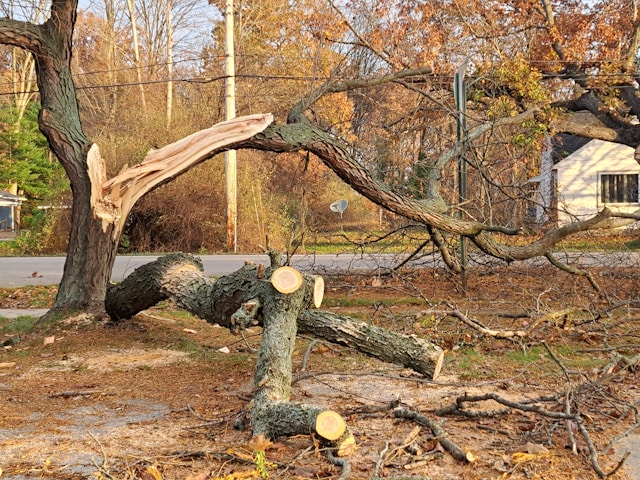
Another major factor is storm damage. Although Phoenix does not experience frequent storms, monsoon season can bring strong winds and heavy rain. These conditions can cause branches to break or entire trees to become unstable. A leaning tree or one with cracked limbs is a clear sign that professional intervention is needed.
Overgrowth is also a frequent concern. Trees that grow too close to homes, power lines, or other structures can create safety hazards and lead to costly damage. Roots may interfere with foundations, sidewalks, or underground utilities, making removal a proactive solution.
Finally, landscaping changes often require tree removal. Homeowners redesigning their outdoor spaces may need to remove older or poorly placed trees to accommodate new features such as patios, pools, or drought-tolerant gardens.
Signs It’s Time to Call a Professional
Recognizing the warning signs of a problematic tree is key to preventing accidents and maintaining a healthy landscape. One of the most obvious indicators is a visible lean, especially if it has developed suddenly. Cracks in the trunk, hollow areas, or peeling bark can also signal structural weakness.
Dead or falling branches are another red flag. While occasional branch loss can occur naturally, frequent breakage may indicate that the tree is no longer stable. Additionally, a lack of leaves during the growing season or unusual discoloration can point to underlying health issues.
Root problems are often harder to detect but equally important. Uplifted soil around the base of the tree, exposed roots, or damage to nearby pavement may suggest instability below the surface. In these cases, a professional evaluation is crucial to determine the extent of the problem.
Why Professional Tree Removal Matters
Tree removal is not a simple DIY project. It requires specialized equipment, technical expertise, and a thorough understanding of safety procedures. Attempting to remove a tree without proper training can result in serious injury or property damage.
Professional teams like All Valley Landscaping have the experience and tools needed to handle even the most complex removals. They assess the condition of the tree, identify potential risks, and develop a safe and efficient removal plan. This includes controlling the direction of the fall, protecting surrounding structures, and ensuring that debris is properly cleared.
In addition to safety, professionals can help homeowners make informed decisions. Not every tree needs to be removed, and in some cases, alternative solutions such as trimming or treatment may be more appropriate. A knowledgeable team can provide guidance based on the specific needs of your property.
Environmental Considerations
Tree removal should always be approached with environmental responsibility in mind. In Phoenix, where greenery is especially valuable, removing a tree can have an impact on local ecosystems and microclimates. That’s why it’s important to consider whether removal is truly necessary and to explore options for replacement or replanting.
Many homeowners choose to replace removed trees with native or drought-resistant species. These plants are better suited to the desert environment and require less water and maintenance. By making thoughtful choices, you can maintain the benefits of greenery while reducing environmental impact.
The Tree Removal Process
Understanding what to expect during the tree removal process can help homeowners feel more confident and prepared. The process typically begins with an on-site evaluation, where professionals assess the tree’s condition, location, and potential hazards.
Once a plan is established, the team will prepare the area by clearing obstacles and setting up safety measures. The tree is then carefully cut in sections, starting from the top and working downward. This controlled approach minimizes risk and ensures precision.
After the tree is removed, the remaining stump may be ground down or removed entirely, depending on the homeowner’s preferences. The area is then cleaned and prepared for future landscaping.
Cost Factors to Consider
The cost of tree removal can vary depending on several factors, including the size of the tree, its location, and the complexity of the job. Trees that are close to structures or power lines typically require more careful handling, which can increase costs.
Accessibility also plays a role. If the tree is located in a hard-to-reach area, additional equipment or labor may be needed. While cost is an important consideration, it’s essential to prioritize safety and quality when choosing a service provider.
Tree Removal Decision Guide
The table below provides a quick reference to help homeowners determine when to consider professional tree removal:
| Situation | What It Means | Recommended Action |
|---|---|---|
| Tree is leaning significantly | Possible root damage or instability | Call a professional immediately |
| Dead or falling branches | Structural weakness or disease | Schedule an inspection |
| Visible cracks or hollow trunk | Compromised structural integrity | Consider removal |
| Roots damaging pavement/foundation | Underground instability and property risk | Professional evaluation needed |
| Tree too close to structures | Potential hazard and interference | Assess for trimming or removal |
| Landscaping redesign | Tree no longer fits layout or function | Plan removal with experts |
| Pest infestation or disease | Tree health declining rapidly | Determine if treatment or removal is best |
Planning for the Future
Removing a tree is often the first step in creating a more functional and sustainable landscape. After removal, homeowners have the opportunity to rethink their outdoor space and incorporate features that better suit their needs and environment.
In Phoenix, this often means embracing xeriscaping principles, which focus on water-efficient design. By choosing native plants, installing efficient irrigation systems, and using materials like gravel or stone, homeowners can create beautiful landscapes that require minimal maintenance.
Working with experienced professionals ensures that your new landscape is both practical and visually appealing. From initial planning to final installation, a trusted team can help bring your vision to life while addressing the unique challenges of the desert climate.
Final Thoughts
Tree removal is a significant decision that should not be taken lightly. While trees provide numerous benefits, there are times when removal is necessary to protect your property and ensure safety. By recognizing the warning signs and seeking professional guidance, homeowners in Phoenix can make informed choices that enhance their landscapes and peace of mind.
Partnering with experts like All Valley Landscaping ensures that the process is handled with care, precision, and professionalism. Whether dealing with a hazardous tree or planning a landscape transformation, having the right team on your side makes all the difference.